

What Is a Dental Implant? Steps, Stability & Natural Comfort
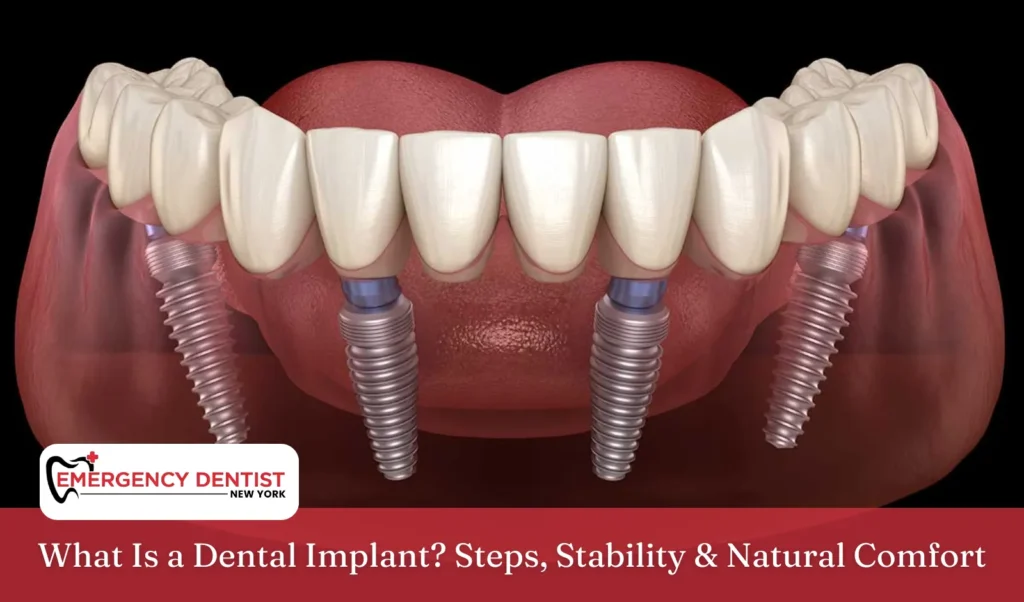
What is a dental implant, and why do many people consider it one of the most effective modern solutions for tooth replacement? A dental implant is a durable and natural-looking artificial tooth designed to restore missing or damaged teeth. Unlike a removable denture, it is securely attached to the implant site in your jawbone, making it feel and function like real natural teeth. It improves oral health, supports chewing and speaking, and boosts your confidence with a healthy smile.
If you’re exploring tooth replacement options or want to understand dental implant procedures, this guide will help you learn about the process, benefits, and long term success. An Emergency Dentist in Soho can help evaluate whether dental implant surgery is right for you.
What Are Dental Implants?
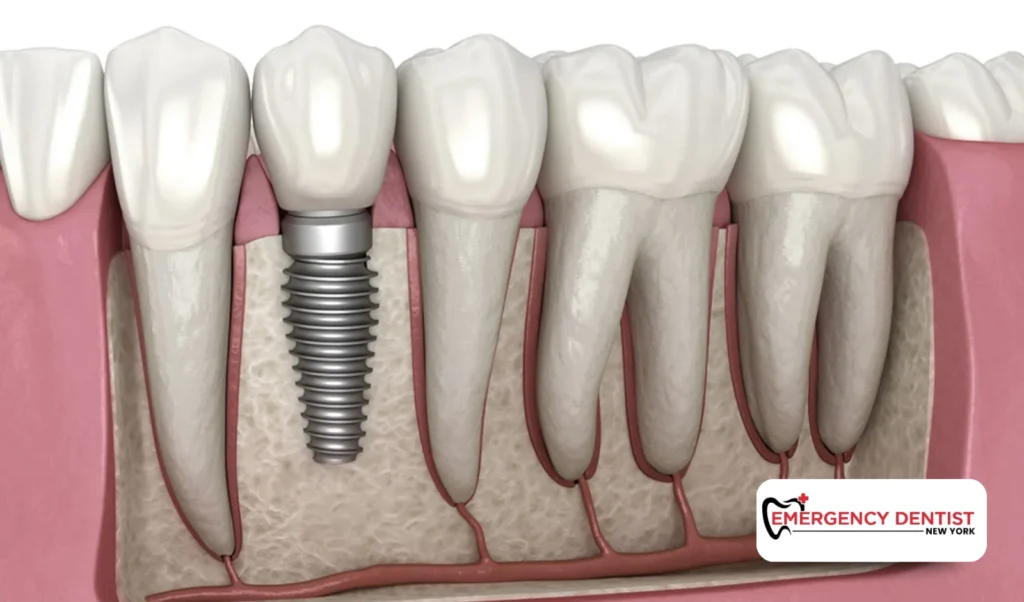
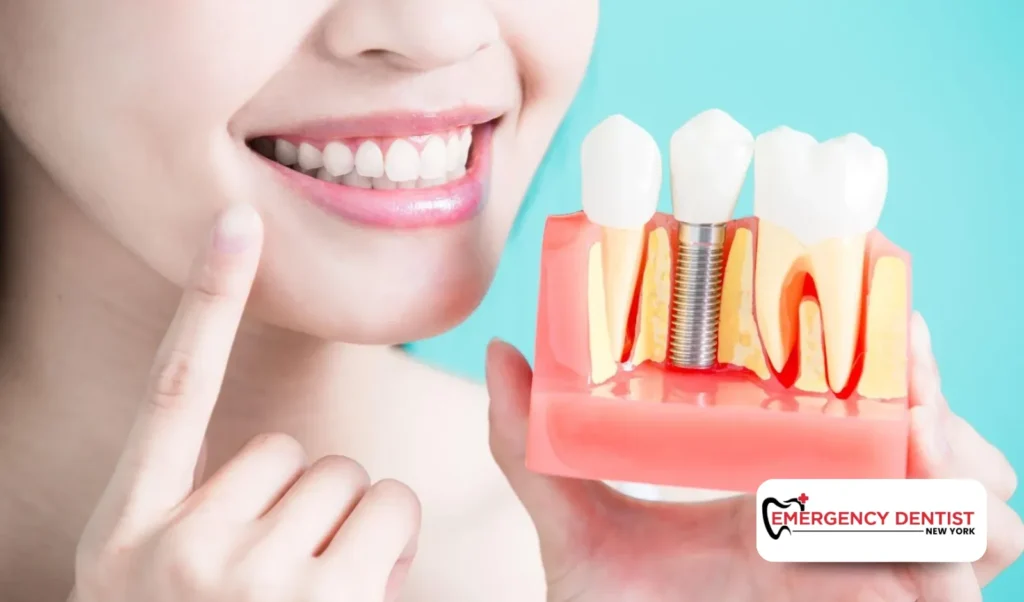
A dental implant is a surgically inserted metal implant, usually made of titanium, that is placed into your jawbone to act like tooth roots. Once healed, it supports artificial teeth such as a crown, bridge, or denture. Over time, the bone naturally grows around it and becomes attached to the implant, creating a strong and stable base. The top part, such as the crown, is custom-made to match your natural teeth, so it blends in beautifully with your smile.
Why Choose Implants Over Dentures or Bridges?
While traditional options like a removable denture or a bridge offer cosmetic improvements, they may not provide true stability. Dental implants offer several major benefits:
- Look and feel like natural teeth
- Support strong chewing without slipping or clicking
- Protect gum tissue and tooth roots
- Maintain facial structure and prevent bone loss
- Provide long term success with proper care
- Do not require damaging nearby teeth
According to the Academy of Implant Dentistry, dental implants have high success rates and lasting results, making them one of the most trusted solutions for tooth replacement.
Benefits of Dental Implants
The benefits of dental implants go far beyond appearance:
- Help preserve jawbone and prevent bone loss
- Protect gum tissue and overall oral health
- Support natural speech and chewing habits
- Provide strong support for artificial teeth like a crown, bridge, or denture
- Feel comfortable and natural, similar to your real teeth
- Offer long term success with routine care
Many patients say implants feel so natural that they forget they even have them.
Dental Implant Procedures: How It Works
Dental implant placement involves a few important steps:
1. Initial Evaluation
Your dentist examines your bone density, gum tissue, and overall oral health to confirm if implants require enough bone support. This step helps determine if dental implant surgery is suitable for you.
2. Surgically Inserted Implant
During surgery, the metal implant is surgically inserted into your jawbone to replace the missing tooth roots. Local anesthesia keeps the process comfortable.
3. Healing and Integration
Over the next several months, your bone gradually grows and securely attaches the implant to create a strong foundation. This process is called osseointegration.
4. Implant Abutment and Restoration
Once healing is complete, an implant abutment is attached to connect the implant with the artificial tooth. Then, a custom-designed crown, bridge, or denture is attached to the abutment, completing your tooth replacement.
According to the Academy of Periodontology, successful implants require healthy gum tissue and strong bone for long-term results.
Types of Implant-Supported Tooth Replacement
There are different types of implant-supported options:
- Single Tooth Implant – Replaces one missing tooth with a natural-looking crown.
- Implant-Supported Bridge – Helps when several teeth are missing in a row.
- Implant-Supported Denture – Supports a full denture using several implants for better stability.
Unlike removable denture options, these restorations stay firmly in place and do not slip when eating or speaking.
What Can Cause Implant Failure?
Although rare, implant failure may occur due to:
- Poor oral hygiene
- Infection around the gum tissue
- Smoking or uncontrolled health issues
- Lack of bone support
- Ignoring post-surgery instructions
Regular dental visits and proper care help maintain long term success.
Long-Term Care and Maintenance
Just like natural teeth, implants require everyday care, such as:
- Brushing twice daily
- Flossing around the implant
- Visiting your dentist for routine check-ups
- Avoiding harmful habits like chewing ice or using teeth as tools
With proper care and healthy oral habits, implants can last for decades or even a lifetime.
When to Contact an Emergency Dentist
If you experience pain, swelling, gum irritation, or a loose crown, contact an Emergency Dentist in Soho right away. Early treatment helps prevent implant failure, protect gum tissue and bone support, and maintain long-term comfort and stability. Ignoring these symptoms may affect your implant and overall oral health.
Conclusion
Dental implants do more than just replace missing teeth, they restore comfort, confidence, and long-term stability. They protect your jawbone, support oral health, and function just like natural teeth. Whether you need a single tooth replacement or a full restoration, implants offer durability, stability, and a natural appearance that lasts.
Now that you understand what a dental implant is, how it works, and why it’s effective, speak with an Emergency Dentist in Soho to explore the best tooth replacement options and take your first step toward a healthier, more confident smile.