
What Causes Tooth Pain? Understanding Symptoms and Sources
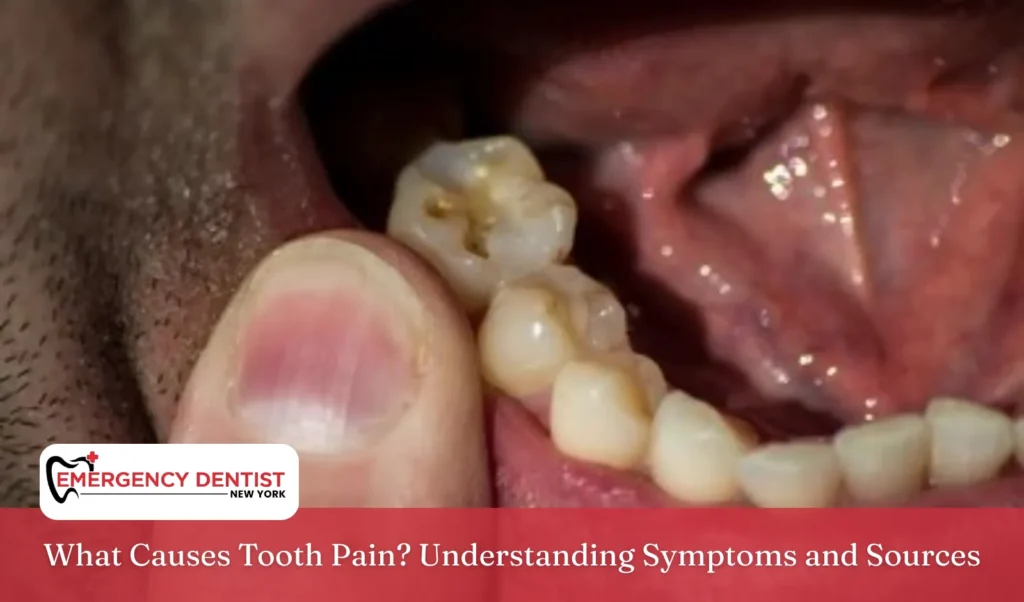
Tooth pain can range from a mild annoyance to a sharp, throbbing sensation that interrupts your day. Whether you’re dealing with tooth cavity pain, tooth infection pain, or discomfort coming from irritated gum tissue, knowing what causes tooth pain is the best way to protect your oral health. Below, you’ll learn the most common tooth pain causes, the tooth pain symptoms to watch for, and when visiting your dentist is the safest choice.
What Causes Tooth Pain?
There are many causes of tooth pain, and most start with problems affecting the nerves, tooth enamel, or the soft tissues surrounding your teeth and gums. Poor oral hygiene, diet, and underlying conditions can all contribute to pain. Understanding the source helps you find proper pain relief and prevents the issue from getting worse.
1. Tooth Decay Pain
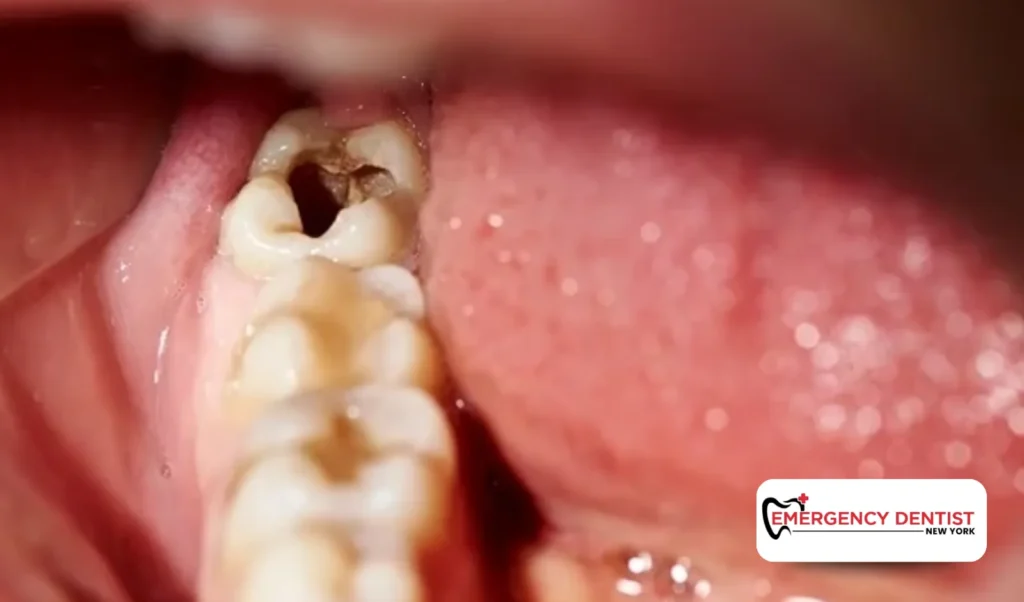
One of the most frequent tooth pain causes is tooth decay. When plaque and acids gradually break down tooth enamel, the sensitive layers underneath become exposed. In the early stages, you may notice tooth sensitivity while eating or drinking something hot or cold. If decay worsens, it can create deeper cavities that lead to lingering tooth cavity pain.
Prevention tip: Brush your teeth twice a day with fluoride toothpaste to strengthen enamel and lower the risk of cavities and bacterial infection.
2. Hole in Tooth Pain
A visible hole in the tooth is a clear sign that decay has reached an advanced stage. A hole in tooth pain often feels sharp, especially when chewing. You might also experience a bad taste in your mouth or sensitivity when eating or drinking cold or sweet foods. A cavity this deep usually requires immediate dental treatment to protect the affected area before it becomes more severe.
3. Tooth Infection Pain and Abscess Tooth Pain
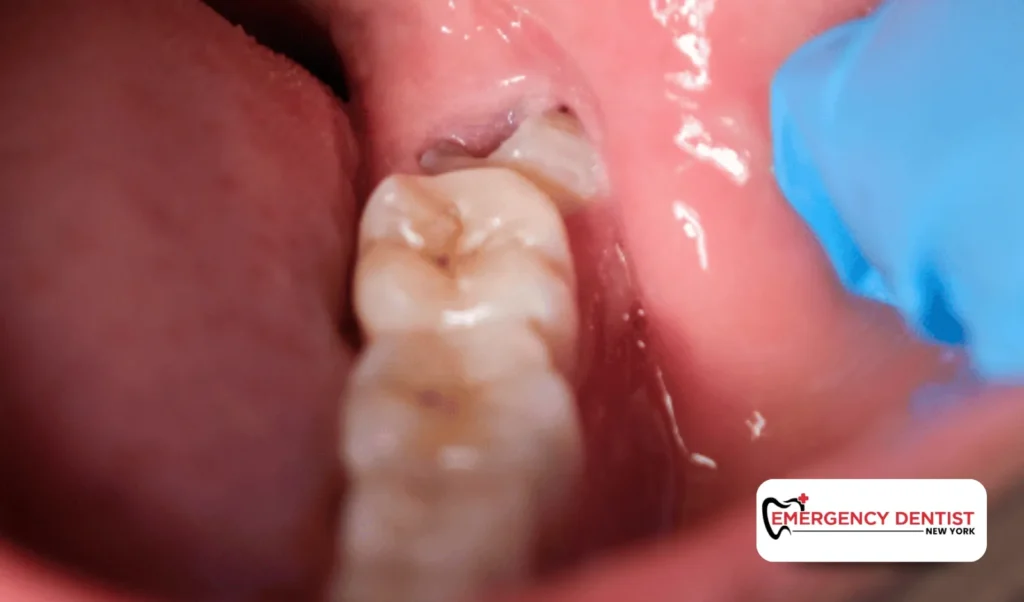
If decay or damage reaches the pulp, bacteria can trigger a serious tooth infection. This may create tooth abscesses, pockets of pus that cause intense, throbbing pain. Abscess tooth pain is often accompanied by swelling, fever, or difficulty biting down. An abscessed tooth can also spread infection to other soft tissues and weaken the immune system.
Urgent reminder: If pain is severe or paired with swelling or fever, call your dentist as soon as possible.
4. Gum Disease and Tooth Pain
Poor brushing or flossing habits can irritate the gum tissue and increase the risk of gum disease. Early gum pain by tooth may come with bleeding, tenderness, or redness. As gum disease and tooth pain progress, gum recession can expose sensitive roots, making the tooth more vulnerable. Advanced gum disease can also cause loose tooth pain as the supporting bone weakens.
5. Loose Tooth Pain
Adults should never ignore loose tooth pain. A tooth that moves or hurts when you bite can be a sign of gum disease, an untreated bacterial infection, or trauma. Without quick care, the tooth may worsen or fall out.
6. Cold and Tooth Pain

If cold air or cold drinks trigger discomfort, you may be experiencing cold and tooth pain. Tooth sensitivity like this often happens when enamel wears down or gums pull back. Tiny cracks in the tooth or weakened enamel can expose the inner nerves, making everyday activities like eating or drinking painful.
Try fluoride toothpaste and avoid acidic foods that increase sensitivity.
7. Tooth Pain Symptoms to Watch For
Recognizing early tooth pain symptoms helps you avoid infections and more complicated procedures later. Look for:
- A dull, constant ache or sudden sharp pain
- Red or swollen gum tissue
- Pain when you brush or floss
- Bad breath or a persistent bad taste
- Sensitivity to hot, cold, or sweet foods
- A visible pit or hole in a tooth
- Swelling in the jaw or face
- Discomfort when chewing
Some tooth pain may even connect to a sinus infection, especially if the pain spreads to the upper back teeth.
8. How Dry Mouth Contributes to Pain
Dry mouth reduces saliva, which normally protects teeth and gums by washing away food and bacteria. Without enough moisture, your risk of tooth decay pain, cavities, and bacterial infections increases. Dry mouth may occur due to medications, dehydration, or breathing through your mouth during sleep.
9. Home Remedies and When to Call Your Dentist
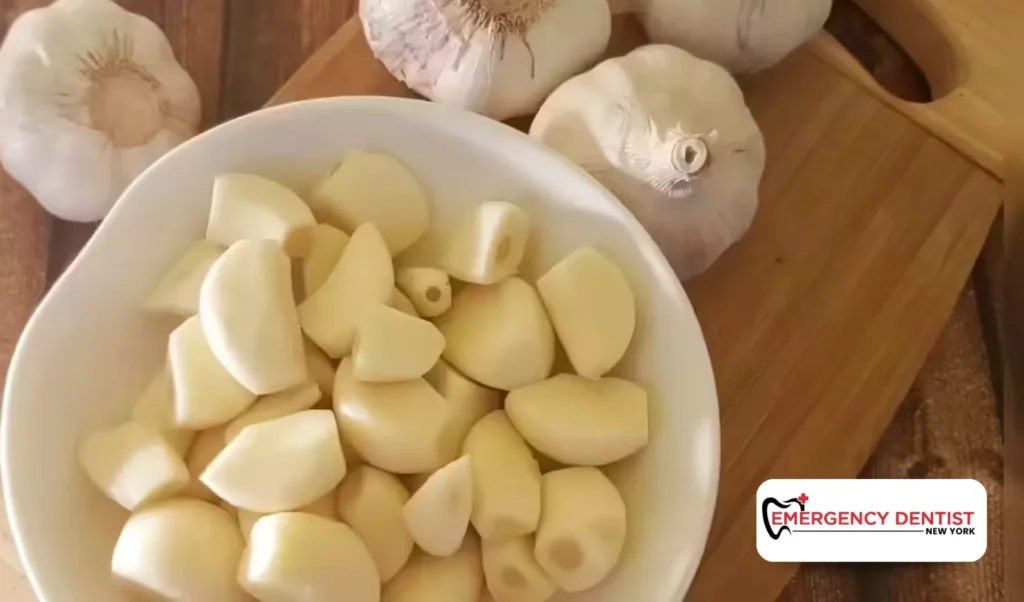
Some home remedies can provide short-term relief. You can gently rinse your mouth with warm salt water, use clove oil, or take over-the-counter medication. However, these options only help temporarily and cannot fix underlying causes of tooth pain.
Call your dentist if:
- Pain lasts more than 48 hours
- Swelling or fever develops
- You notice pus or abscess tooth pain
- It hurts to chew or touch the tooth
- The affected area feels warm or swollen
Prompt dental treatment can prevent infection from spreading and protect long-term oral health.
Final Thoughts
Toothaches are warning signs that something is affecting your teeth and gums. Whether the problem is tooth cavity pain, gum disease and tooth pain, or symptoms of an abscessed tooth, early care is essential. Brush or floss daily, use fluoride toothpaste, and schedule routine dental checkups to avoid many common causes of tooth pain.
If you’re unsure about what you’re experiencing, reach out to a trusted Emergency Dentist in Soho to get the right care and protect your smile.