

Tooth Cracked in Half No Pain: Repair and Prevention Tips
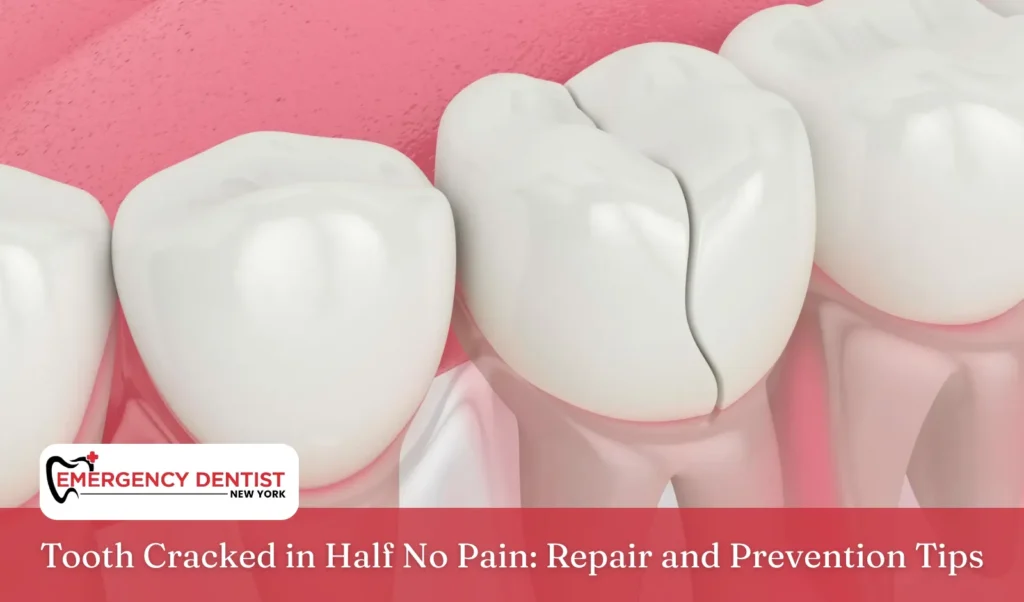
A tooth cracked in half no pain might not seem serious at first. You can still chew, talk, and smile without discomfort, so it’s easy to think it’s nothing to worry about.
But even if it doesn’t hurt, a cracked tooth no pain can quickly turn into a serious dental problem. Cracks in teeth can allow bacteria to enter, leading to infection and decay. Seeing an Emergency Dentist in Soho as soon as possible ensures your tooth is repaired before it gets worse.
Why a Cracked Tooth Might Not Hurt
Your teeth are made up of three main layers: the enamel, dentin, and pulp. The pulp is the deepest layer that contains nerves and blood vessels. When a tooth cracks but the damage doesn’t reach the pulp, you might not feel any pain.
However, even when it doesn’t hurt, your broken tooth isn’t healthy. A cracked tooth can weaken the structure of your tooth and make it more likely to break further. Bacteria can slip through the crack, leading to infection that causes pain, swelling or even tooth loss. Over time, you may need treatments like a root canal or tooth extraction to restore your oral health.
Common Causes of a Cracked Tooth

A cracked tooth can happen for many reasons, some obvious and others more subtle. One of the most common causes is teeth grinding (also called bruxism). Constant pressure from grinding wears down your enamel, making it easier for your tooth to crack.
Chewing or biting hard foods and drinks like nuts, ice, or hard candy is another cause. Even something as simple as biting a popcorn kernel can result in cracks or chips. Accidents, falls, and sports injuries can also cause a broken tooth or chip.
Other factors include large dental fillings that weaken your tooth over time, and natural aging, which thins the enamel. As enamel wears down, small cracks can form and deepen with everyday chewing or temperature changes.
Different Types of Tooth Cracks
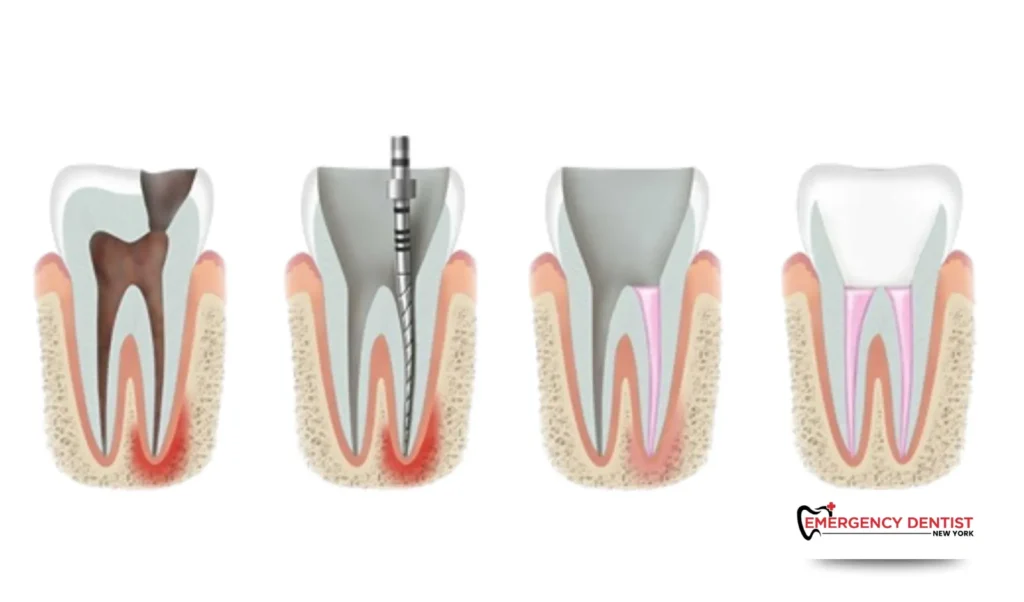
Not all tooth cracks are the same. The type and depth of the crack determine the treatment that depends on your specific case.
- Small Cracks or Chips: These are surface-level and often only affect the enamel. They may not cause discomfort but should still be checked by your dentist.
- Cracks Extending to the Gum Line: These are more serious and may need treatments like dental bonding or dental crowns to protect the tooth.
- Vertical Root Fracture: A severe crack that begins at the root and moves upward. This type often causes pain swelling or gum infection and may require tooth extraction.
Early detection through dental exams or X-rays can help identify the extent of the damage and prevent more serious issues from developing.
Why You Shouldn’t Delay Treatment
Even if your tooth cracked in half no pain, waiting to see a dentist can make the problem worse. Cracks allow bacteria to enter the inner layers of your tooth, leading to infection and decay. Eventually, this can cause pain swelling or spread to other teeth and gums.
Professional dental care can identify hidden damage before it worsens. Treating the crack early helps avoid more invasive procedures like root canal therapy or tooth extraction.
Treatment Options for a Cracked Tooth
A dentist will recommend the best treatment based on the size and depth of your tooth cracks. Common treatments include:
- Dental Bonding: Perfect for small cracks or chips, bonding involves applying a tooth-colored resin to seal the damage. This restores strength and improves appearance.
- Dental Crowns: If the crack goes deeper, a dental crown may be placed over the tooth. This protective cap prevents further damage and allows normal chewing.
- Dental Veneers: Thin porcelain shells that cover the front of the tooth, hiding chipped or cracked areas and restoring your smile.
- Root Canal Therapy: When the crack reaches the pulp, a root canal is necessary to remove infected tissue and save the tooth.
- Tooth Extraction: In severe cases, such as a vertical root fracture or a tooth split completely in half, extraction may be the only solution.
Your treatment depends on how deep the crack runs and how much of the tooth can still be saved.
How Dentists Repair a Broken Tooth
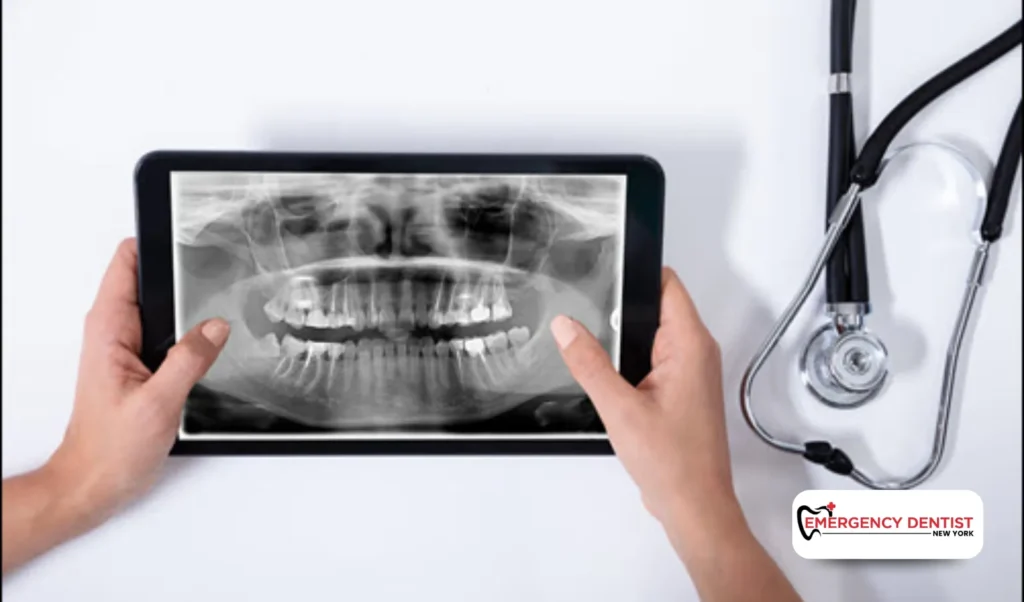
A dentist will begin with an examination and X-rays to determine how severe the crack is. For minor cracked teeth, simple dental bonding or a dental crown might be enough. If the damage is near the gum line or affects the pulp, more advanced procedures like a root canal may be needed.
An Emergency Dentist in Soho can repair a broken tooth quickly and safely. Early treatment prevents infection, protects surrounding teeth, and helps maintain strong oral health.
Preventing Future Tooth Cracks
You can lower your risk of cracked teeth and broken tooth problems by following a few simple tips:
- Avoid biting hard foods and drinks such as ice, hard candy, or popcorn kernels.
- Use a mouthguard if you have teeth grinding or play contact sports.
- Get regular dental checkups for preventive oral health care.
- Address small cracks or cracks or chips right away to stop them from worsening.
- Avoid using your teeth to open bottles or packages, it can easily cause a chipped or cracked tooth.
Taking these steps helps keep your enamel strong and prevents the need for major dental work later.
Conclusion
A tooth cracked in half no pain might seem harmless, but it’s not. Even if it doesn’t hurt, the crack can deepen or allow bacteria in, leading to infection or decay.
If you have a cracked tooth, no pain, don’t wait, visit an Emergency Dentist in Soho right away. Treatments like dental bonding, crowns, and veneers can repair a broken tooth and restore your smile. Early care prevents pain swelling and helps you maintain strong oral health for years to come.