

Proven Ways to Prevent
Sports Dental Injuries
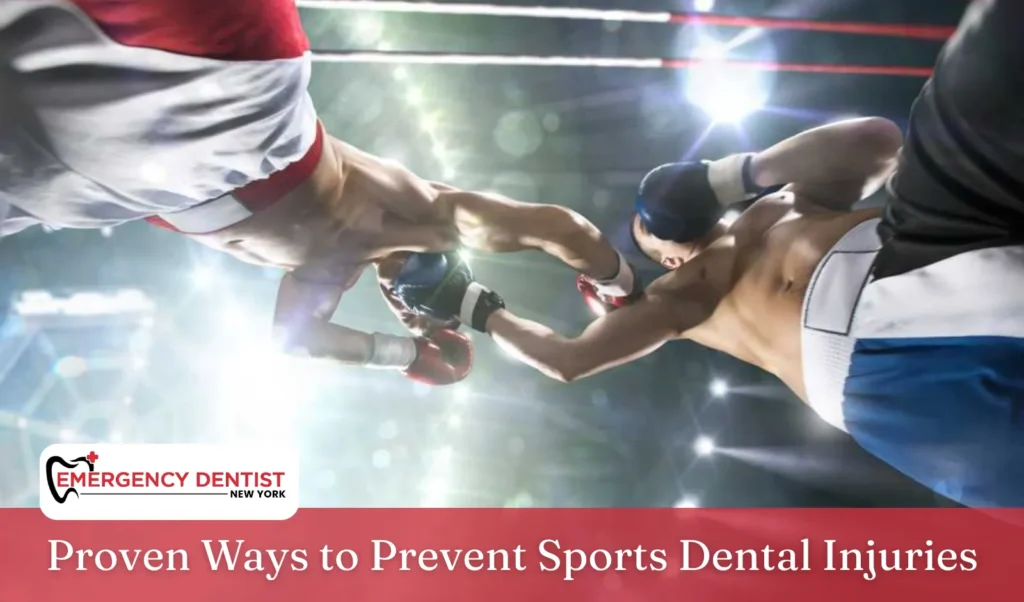
Sports strengthen your body and sharpen your mind, but they can also put your smile at risk. Every year, thousands of athletes suffer sports-related dental injuries, including tooth fractures, jaw fractures, and soft tissue injuries. Whether you’re a student athlete, weekend player, or professional competitor, learning how to prevent sports dental injuries is essential for maintaining your oral health and athletic performance.
Contact sports such as football, basketball, hockey, and boxing carry a high risk of facial impact. Even non-contact activities like gymnastics, cycling, or skateboarding can result in dental traumas caused by unexpected accidents. The good news is that many of these injuries are preventable with the right protective equipment and a properly fitted mouth guard. If an accident occurs, visiting an Emergency Dentist in Soho ensures quick treatment to preserve your teeth and prevent further complications.
In this article, you’ll discover effective ways to prevent sports dental injuries, explore the types of mouthguards available, and learn how a customized mouthguard can minimize your risk of oral injury, tooth avulsion, and long-term damage.
Common Sports-Related Dental Injuries
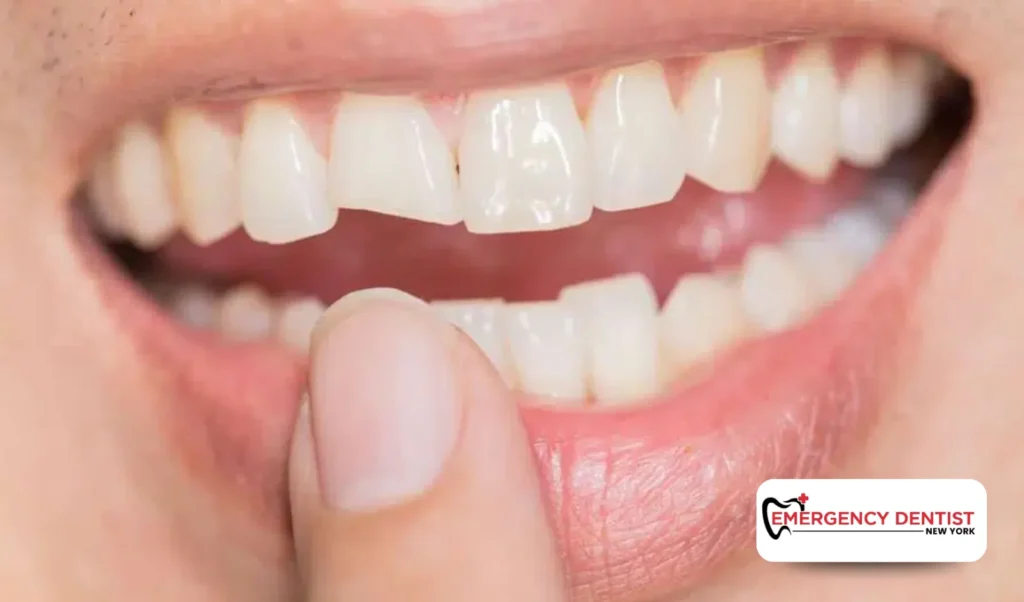
Sports-related dental injuries can happen to anyone, regardless of age, experience, or skill level. They usually occur suddenly during contact or collisions, but even minor blows can lead to long-term consequences. Common dental injuries include:
- Tooth fractures: Cracks or breaks in the enamel or dentin caused by impact.
- Tooth avulsion: A tooth completely knocked out of its socket.
- Soft tissue injuries: Cuts or bruises to the tongue, lips, or cheeks.
- Jaw fractures: Strong hits that dislocate or break the jawbone.
Even small chips or cracks can lead to decay, infection, or alignment problems if left untreated. Taking preventive measures helps protect your smile and supports long-term oral health.
How to Prevent Sports Dental Injuries
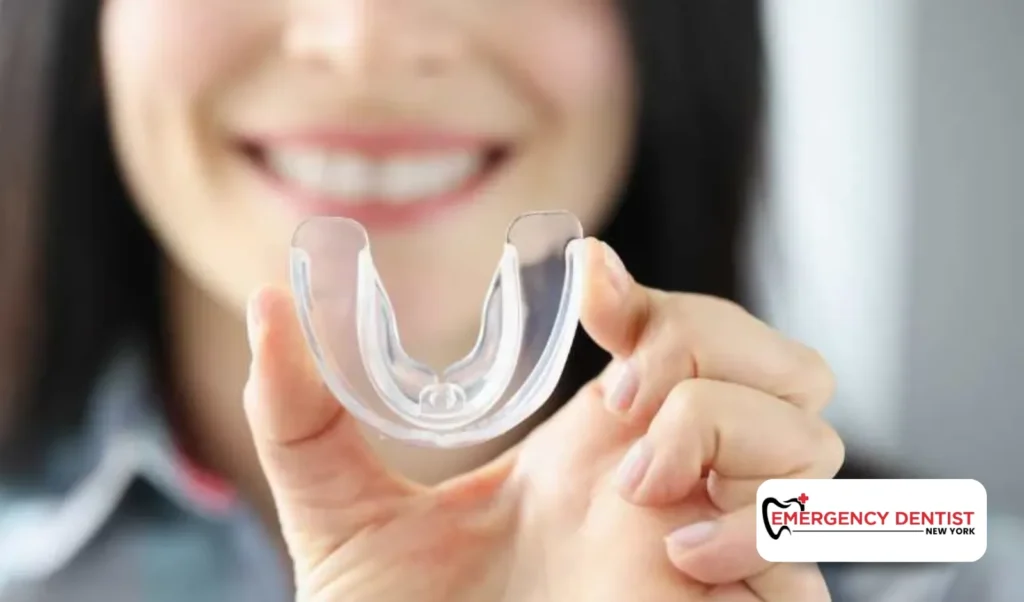
The most effective way to prevent sports dental injuries is by consistently wearing a mouthguard during practices and games. A mouthguard acts as a protective barrier, cushioning the teeth, lips, and jaw from impact and reducing the likelihood of tooth fractures or soft tissue injuries.
Essential Prevention Tips
- Always wear protective equipment: Use helmets, face shields, and mouthguards to reduce the force of impact.
- Choose the right fit: Poorly fitted mouthguards are uncomfortable and less effective at preventing oral injury.
- Maintain oral hygiene: Strong teeth and gums are more resilient to impact and less prone to dental traumas.
- For athletes who wear braces: A customized mouthguard can protect both teeth and braces, reducing potential damage during collisions.
Consistent preventive habits not only protect your teeth but also improve your performance by letting you focus on the game instead of worrying about injury.
Types of Mouthguards and Their Benefits
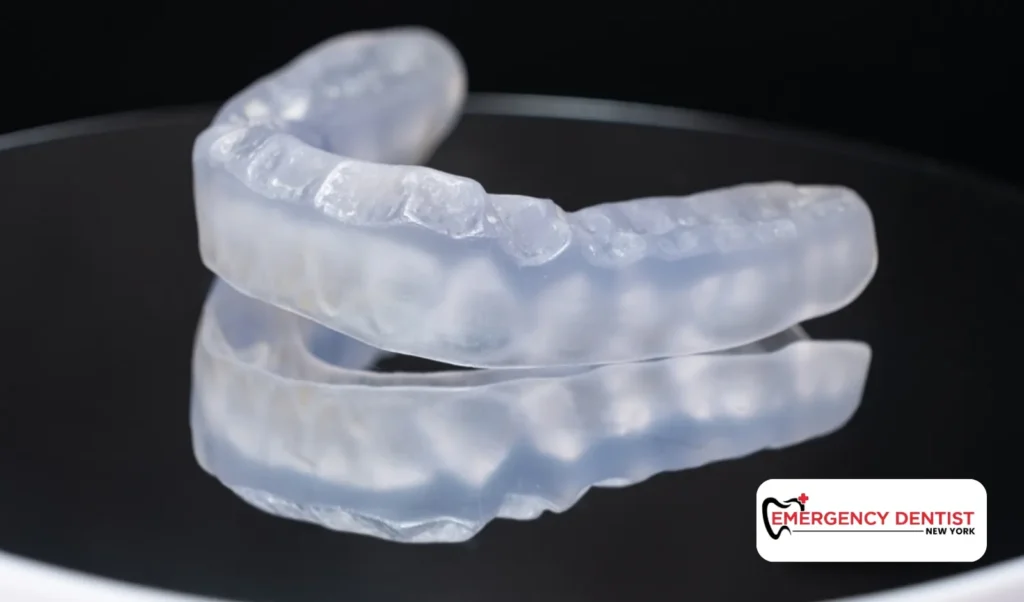
Understanding the types of mouthguards available helps you choose the right one for your sport and comfort level. Each type offers different levels of protection and durability.
1. Stock Mouthguards
Stock mouthguards are pre-formed and inexpensive, but they offer limited protection. Their poor fit often makes breathing and speaking difficult. Because they don’t mold to your teeth, they provide minimal defense against dental traumas or jaw fractures, making them unsuitable for frequent athletes.
2. Boil and Bite Mouthguards
Boil and bite mouthguards are made from thermoplastic material. When heated in hot water, they soften and can be molded around your teeth for a semi-custom fit. These mouthguards are affordable and provide better protection than stock options, making them a popular choice for casual players and youth athletes.
3. Customized Mouthguards
A customized mouthguard is professionally made by a dentist using an impression of your teeth. It offers a precise fit for superior protection and comfort, allowing you to breathe, talk, and perform naturally.
Both the American Dental Association and the National Federation of State High School Associations recommend customized mouthguards for optimal protection. These guards:
- Offer a tailored fit for maximum comfort and performance.
- Allow natural breathing and clear speech.
- Provide longer-lasting durability compared to store-bought versions.
- Protect the teeth, tongue, lips, and jaw from impact-related injuries.
Athletes who invest in a customized mouthguard are significantly less likely to experience serious sports-related dental injuries and can play with greater confidence.
Extra Tips for Preventing Dental Injuries
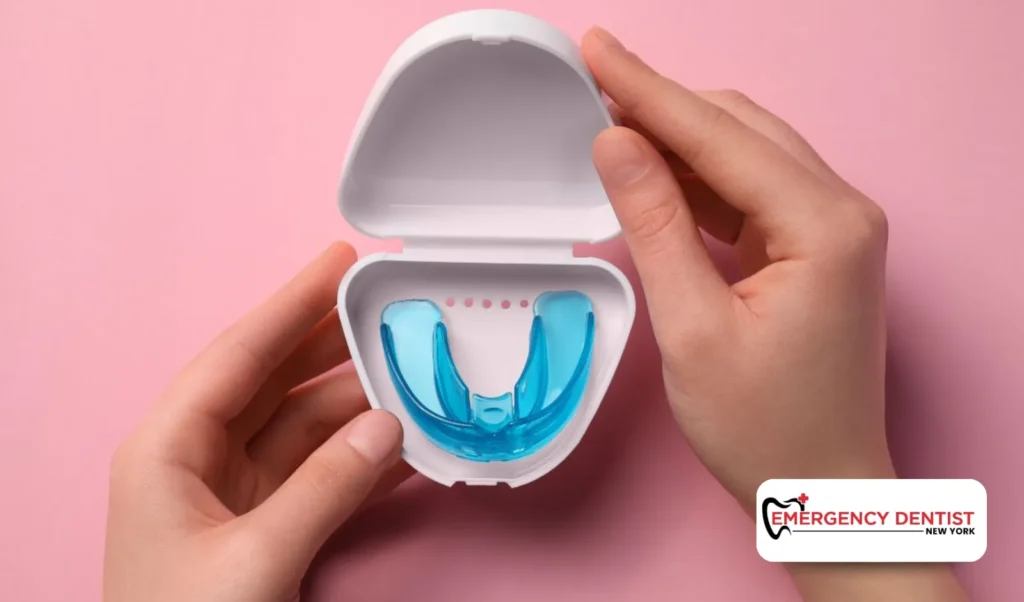
While wearing a mouthguard is the best defense, comprehensive preventing dental injuries requires consistent care and awareness. Follow these tips to stay protected:
- Schedule routine dental check-ups to detect early signs of cracks, wear, or weak spots in your teeth.
- Replace mouthguards that show wear, lose their shape, or no longer fit snugly.
- Use proper protective equipment such as helmets, chin straps, and face masks for high-contact sports.
- Avoid chewing on ice, hard candy, or pen caps that can weaken enamel.
- Warm up properly before playing to relax jaw muscles and reduce the risk of strain or injury.
By combining these small preventive habits with a quality mouth guard, you can safeguard your teeth and maintain strong oral health throughout your athletic journey.
When to Visit an Emergency Dentist After a Sports Injury
Even with the best precautions, accidents can still happen. If you experience dental trauma, acting quickly can make the difference between saving and losing a tooth.
You should contact an Emergency Dentist in Soho immediately if you experience:
- A tooth avulsion (completely knocked-out tooth)
- Deep or multiple tooth fractures
- Heavy bleeding or damage from soft tissue injuries
- Persistent pain, swelling, or a suspected jaw fracture
If a tooth is knocked out, keep it moist in milk or saline solution and see a dentist within 30 minutes. Fast action greatly improves the chances of reattachment and recovery.
Conclusion
Your teeth deserve the same level of care as any other part of your body. Using a customized mouthguard and reliable protective equipment is one of the best investments an athlete can make in their long-term health and performance.
Preventing dental injuries is far easier, and less expensive, than treating them afterward. By wearing a mouthguard, practicing good oral hygiene, and visiting your dentist regularly, you can enjoy your favorite sport with confidence and peace of mind.
If an accident does occur, an experienced Emergency Dentist in Soho can provide prompt, expert care to get you back in action, smiling, strong, and pain-free.
Frequently Asked Questions
What is the most effective method to prevent sports dental injuries?
The best way to prevent sports dental injuries is by consistently wearing a mouthguard and using appropriate protective equipment during sports activities.
Are customized mouthguards worth the investment?
Yes. A customized mouthguard provides superior protection, comfort, and durability compared to stock mouthguards or boil and bite mouthguards.
Can athletes who wear braces use mouthguards?
Absolutely. Specialized customized mouthguards are made to protect both the teeth and braces, minimizing damage during play.
How often should mouthguards be replaced?
Replace your mouthguard at least once a year or sooner if it shows visible wear, loses its shape, or becomes loose.