

What To Do for a Chipped Tooth: Simple At-Home Repair Guide
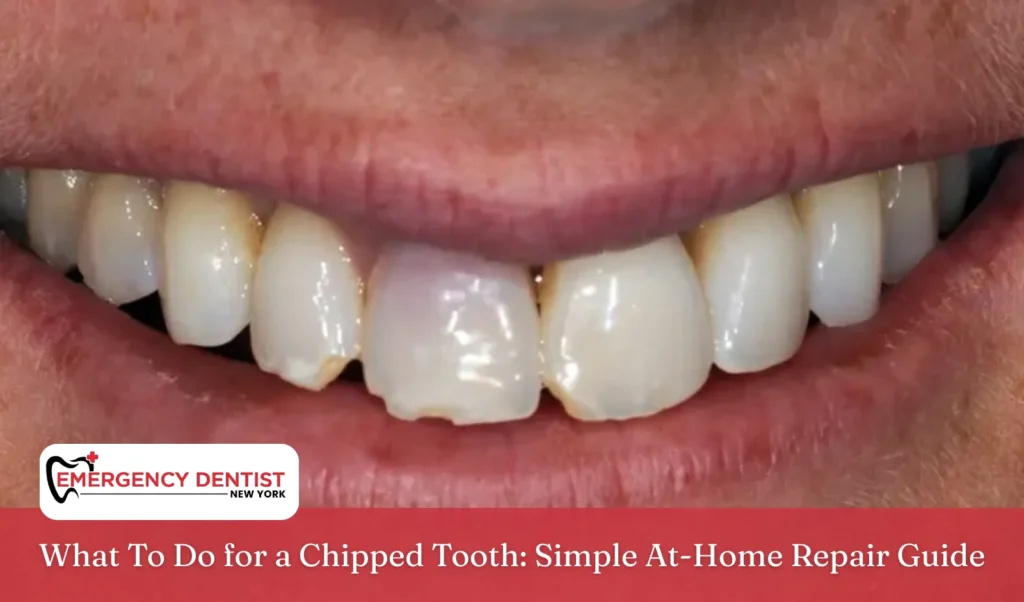
A chipped or broken tooth can happen suddenly, biting something hard, taking a fall, or even when you grind your teeth at night. Sometimes the damage affects only the outer layer of tooth enamel, but deeper chips can expose part of the tooth that contains blood vessels and nerves. This can lead to sensitivity, pain, or a higher chance of infection if left untreated.
If you’re trying to figure out what to do for a chipped tooth, what to do for a chipped front tooth, or even what to do for a chipped tooth pain, this guide breaks everything down clearly. You’ll learn what to do for a chipped tooth at home, how to protect the tooth using simple home remedies, and when a chipped or broken tooth becomes a true dental emergency that requires fast treatment from an Emergency Dentist in Soho.
Why Teeth Chip or Break
Before exploring treatment options, it helps to know what can weaken tooth structure or make your front teeth more likely to crack.
Common causes include:
- Biting hard objects like ice, hard candy, or nuts
- Sports injuries or accidents
- Untreated cavities that weaken part of the tooth
- Grinding your teeth (bruxism), especially at night
- Using teeth to tear open packages
- Poor oral health or thinning enamel
While avoiding these habits helps protect the tooth, accidents still happen. If you’ve already chipped a tooth, here are the steps to take right away.
What To Do for a Chipped Tooth at Home
If you cannot reach a dentist immediately, don’t panic. You can take quick actions at home to protect the tooth, reduce swelling, and prevent the damage from getting worse.
- Rinse With Warm Salt Water
Mix warm water with a teaspoon of salt and gently rinse your mouth. This cleans the area, reduces bacteria, and keeps the injured tooth from becoming irritated.
- Cover Sharp or Jagged Edges
Chips often create jagged edges that scrape your cheek or tongue. To protect these soft tissues:
- Use dental wax
- Or press sugar free gum over the chipped area
This temporary barrier prevents cuts and makes the tooth less irritating while you wait for treatment.
- Apply a Cold Compress
Place a cold compress or wrapped ice pack on the cheek near the chipped area. This helps reduce swelling, especially after impact or trauma.
- Stick to Soft Foods
Avoid chewing on the damaged side, and skip hard, crunchy, or sticky foods. Soft foods, like yogurt, soup, eggs, or smoothies, help avoid more harm to the tooth structure.
- Avoid Hot or Cold Foods
Damaged teeth may react strongly to hot or cold drinks, sending sharp nerve pain through the tooth. Avoid extreme temperatures until you see your dentist.
- Save Any Broken Pieces
If you find a broken piece of the tooth, place it in milk or saline and take it with you to your appointment. Sometimes dentists can reattach the piece as part of the treatment options.
- Use Over-The-Counter Pain Relievers
Take ibuprofen or acetaminophen for discomfort. These pain relievers don’t fix the tooth, but they help manage pain while you wait for care.
How To Tell if the Chip Is Minor or Serious
Not every chip requires emergency treatment, but understanding the difference can save you from long-term oral health problems.
Minor Chip
- Only a small amount of enamel is missing
- Little or no pain
- Front teeth may feel slightly rough
- Usually cosmetic
Major Chip or Crack
- Jagged edges or sharp surfaces
- Pain when chewing or biting
- Visible break or missing chunk
- Bleeding near the gum line
- Sensitivity to hot or cold
- Tooth feels loose
Even a small chip can worsen if ignored, so it’s best to visit your dentist sooner rather than later.
How Dentists Repair a Chipped or Broken Tooth
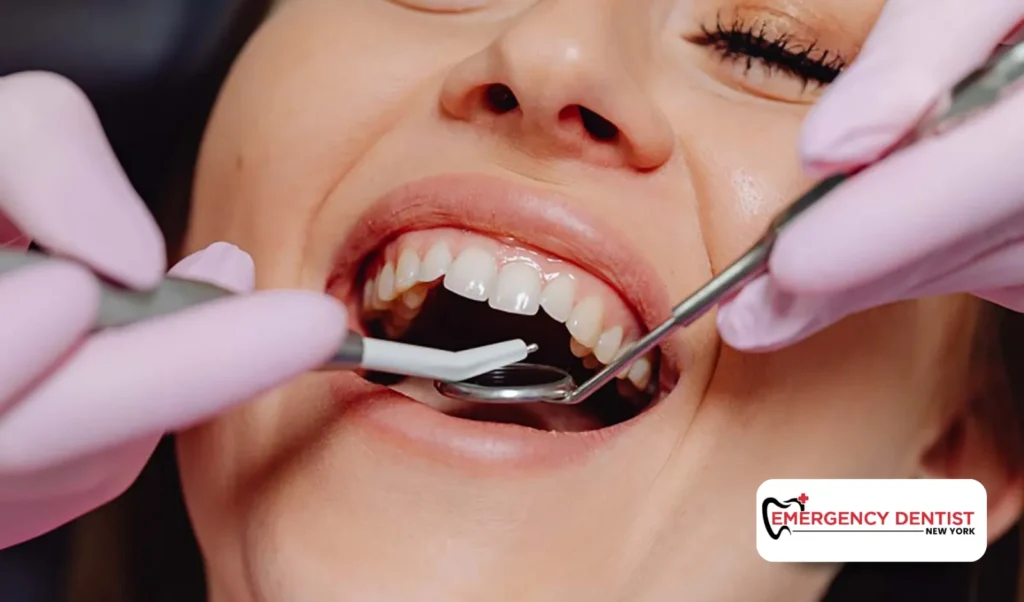
When you visit an Emergency Dentist in Soho, they’ll examine the chipped area, possibly take X-rays, and recommend one of several treatment options depending on the severity.
Perfect for small chips, especially on a front tooth. The dentist applies tooth-colored resin to rebuild the missing part, smooths the shape, and hardens it with light. This is quick, painless, and ideal for minor damage.
- Dental Crowns
If the tooth is severely damaged or a large portion is missing, dental crowns may be recommended. Crowns cover the entire tooth, restore strength, and protect the tooth from breaking further.
- Veneers
Thin porcelain shells placed on the front surface of front teeth. Veneers improve appearance and protect the tooth, especially when cosmetic concerns matter.
If the chip reaches the pulp, bacteria can cause infection. The dentist removes damaged tissue, cleans the inside, and seals the tooth. A crown is usually added afterward to strengthen it.
- Dental Implants
If the tooth cannot be repaired or saved, dental implants may be suggested. Implants replace the entire tooth and look and function like natural teeth.
When It’s a True Dental Emergency
Call an Emergency Dentist in Soho right away if:
- You have severe or consistent chipped tooth pain
- There’s swelling on the gums or face
- The tooth feels loose or unstable
- The chip reaches near the gum line
- You notice signs of infection
- You can’t bite down without discomfort
An Emergency Dentist in Soho often offers same-day care for chipped teeth, infections, and other urgent concerns.
Long-Term Tips to Prevent Chipped Teeth
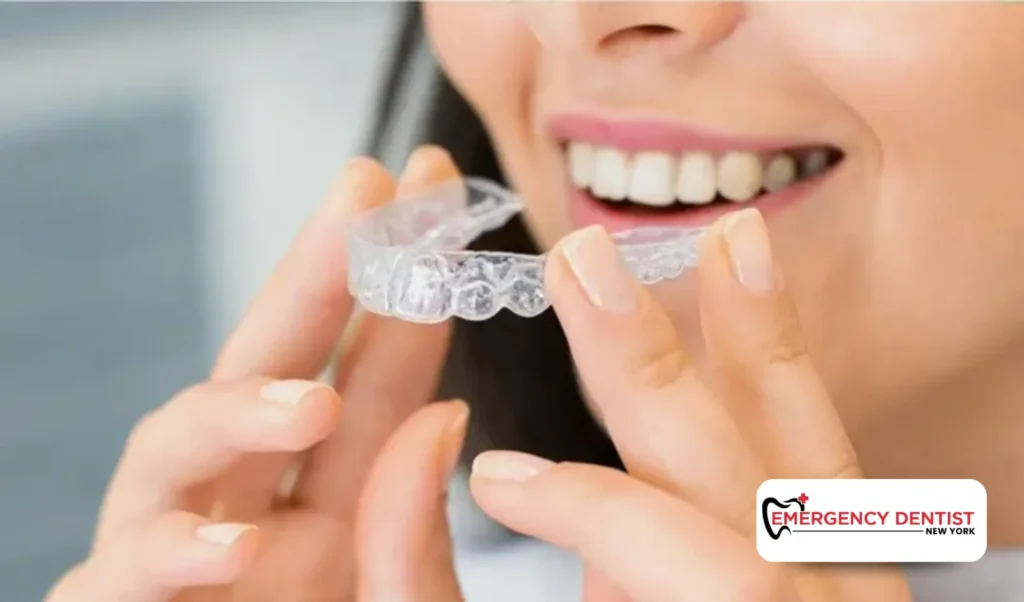
After repairing the tooth, it’s important to strengthen and protect your smile.
Protect Your Teeth By:
- Wearing a nightguard if you grind your teeth
- Avoiding hard or sticky foods
- Never using your teeth as tools
- Keeping up with regular dental checkups
- Practicing good oral hygiene to preserve tooth enamel
Healthy habits keep your tooth structure strong and prevent future chips.
Don’t Ignore a Chipped or Broken Tooth
Even small chips can lead to bigger problems if ignored. Knowing what to do for a chipped tooth at home, how to manage discomfort, and when to call your dentist gives you a major advantage in keeping your teeth healthy.
If you notice a chipped or broken tooth, jagged edges, pain when biting, or sensitivity, contact an Emergency Dentist in Soho right away. Fast treatment can protect the tooth, prevent infection, and restore your smile quickly and safely.